How can we reduce waste, use resources more efficiently, and create new business opportunities at the same time? The answer lies in CIREVALC, an international project implemented under the Interreg CENTRAL EUROPE Programme, which supports regions across Central Europe in putting the principles of the circular economy into practice.
The project brings together businesses, public authorities, research organisations, and community initiatives to promote sustainable solutions in the food industry, catering, and packaging technologies. The shared objective of the project partners is to reduce waste, foster innovation, and build more resilient regional economies.
Less waste, more innovation
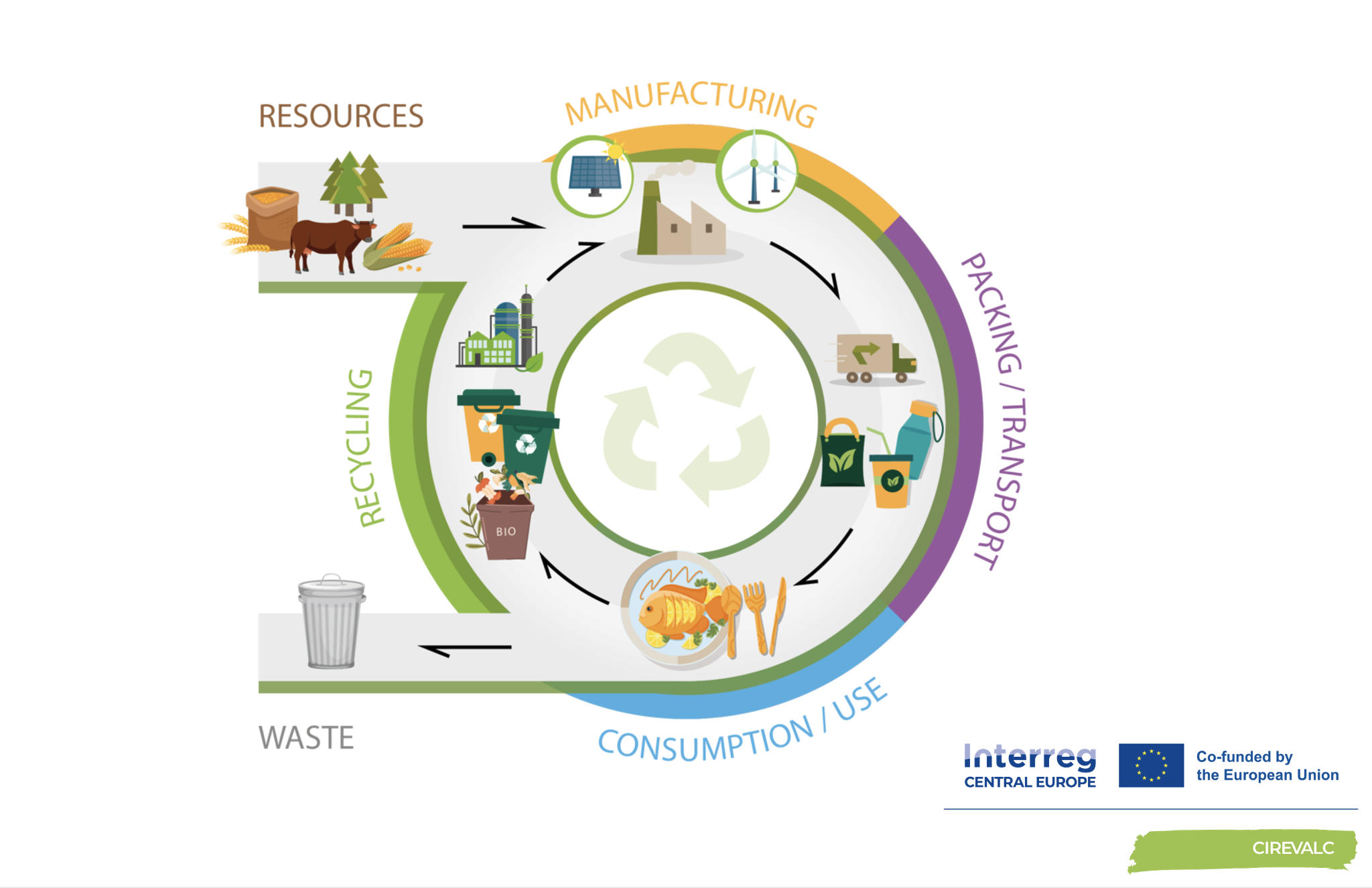
CIREVALC responds to the growing need to reduce food waste and accelerate the green transformation of the economy. Through the project, new models of cooperation between the public and private sectors are being developed to help businesses integrate circular economy principles into their daily operations.
The project focuses primarily on:
- supporting businesses in implementing circular economy principles;
- building regional communities and connecting key stakeholders;
- testing innovative solutions through pilot projects; and
- developing recommendations for regional strategies and public policy.
One of the project's key initiatives is the CIREVALC Circular Community Accelerator, which helps companies, organisations, and local initiatives develop, test, and pilot new circular solutions.
Pilot solutions in action across the regions
Pilot activities are being carried out in participating countries to demonstrate how circular economy principles can be successfully applied in practice. These include:
- eco-innovations in packaging;
- zero-waste approaches in retail and catering;
- efficient processing of agricultural by-products; and
- the development of local circular services for communities.
These pilot projects provide valuable experience and create models that can be replicated in other European regions.
The role of BIC Bratislava
In Slovakia, the project is coordinated by BIC Bratislava, which plays an important role in identifying the needs and barriers related to the circular economy. It also connects the business community with experts, encourages companies to participate in the project, organises professional events and knowledge-sharing activities, and contributes to the development of recommendations for regional policies.
These activities create opportunities for stronger cooperation between businesses, local authorities, and other organisations committed to developing sustainable business models.
Slovak project ambassadors
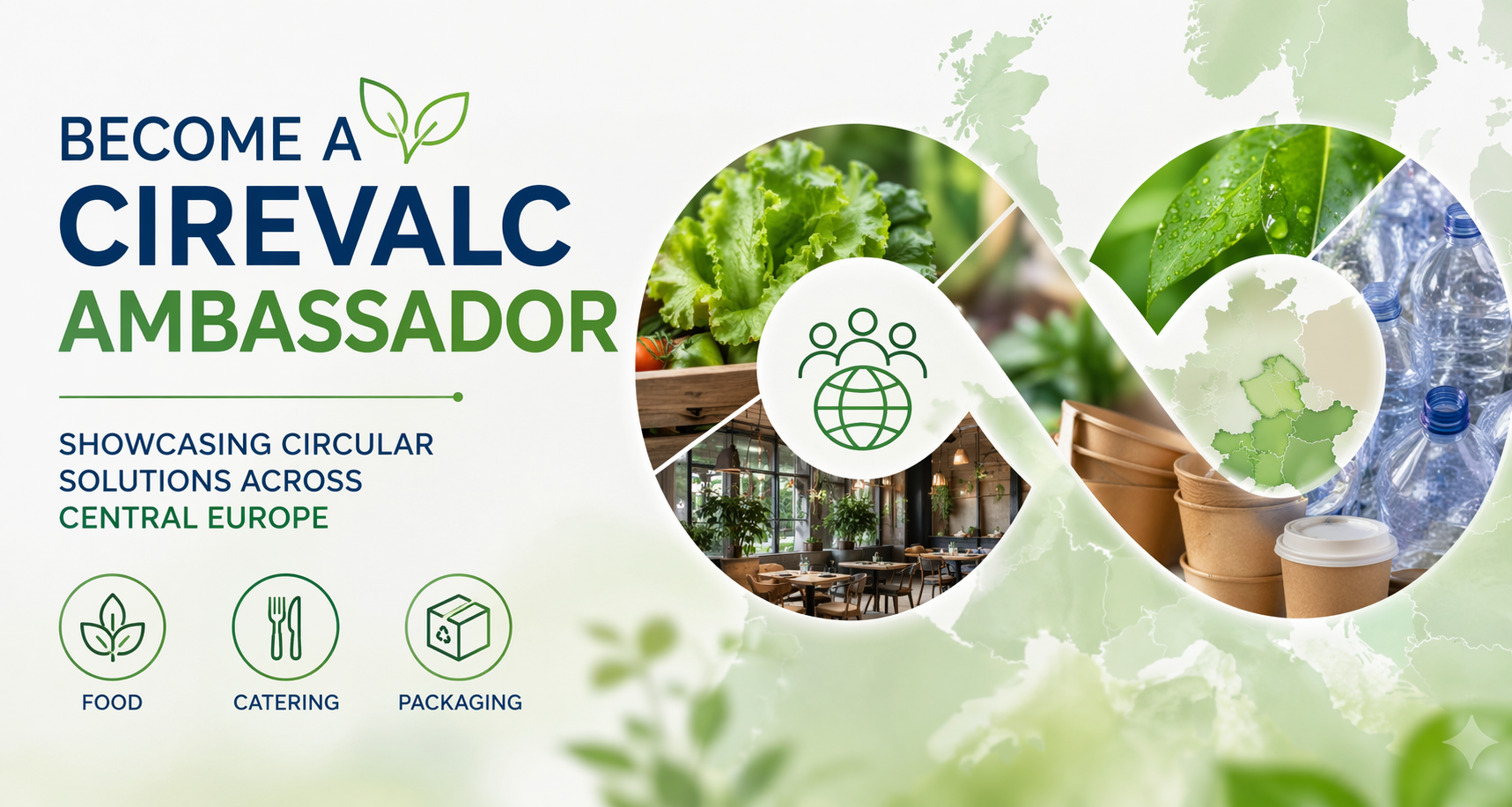
As part of the project, a call was launched to select ambassadors for the circular economy. The successful Slovak ambassadors are:
- Výskumný ústav papiera a celulózy
- Dobrý pastier
- Tempesta (HempBona)
A particularly outstanding achievement was recorded by the Výskumný ústav papiera a celulózy, which received the prestigious Grand Prize Winner international award for its contribution to circular innovation.
Benefits of the project for Slovakia
CIREVALC creates numerous opportunities for Slovak businesses and regions. It supports innovation in the food industry and packaging technologies, helps reduce environmental impacts, and creates favourable conditions for the development of new business models based on circular economy principles.
Another important benefit is the strengthening of international cooperation among partners from across Central Europe, enabling the exchange of knowledge and the dissemination of proven solutions throughout the region.
Project: CIREVALC
Fakty o projekte
- Projekt: The answer lies in CIREVALC, an international project implemented under the Interreg CENTRAL EUROPE Programme, which supports regions across Central Europe in putting the principles of the circular economy into practice.
- Programme: Interreg CENTRAL EUROPE
- Partners: 10 partners from 9 countries
- Total Budget: €2.314 million
- ERDF Co-financing 80 %
- Project Duration: April 2023 – June 2026